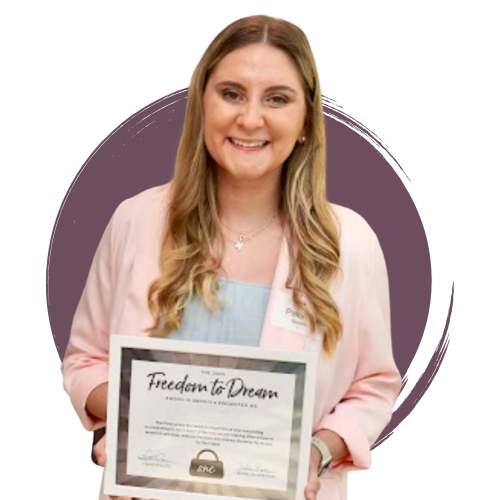
As a society, we’re continually evolving our approach to supporting survivors. But while the methods may change over the years, there’s one overarching idea that will never go out of style. That’s helping survivors pursue their dreams.
See, we’re all born with dreams. And as children, we’re all told to dream big. So we do. We dream of becoming president, curing cancer, or even becoming famous. Now, dreams will shift and change as we get older, but for most of us, we retain that child-like ability to dream. But that isn’t true for everyone.
Dreams are born of hope. And for most survivors of sex trafficking, hope isn’t in high supply. Why? Because most survivors have endured more hardship than most people could imagine. They’ve seen and experienced horrors that’ve stolen their hope, and in turn, have taken their ability to dream. Unfortunately, most survivors struggle to imagine a better tomorrow for themselves.
But everyone deserves to have a dream, especially those who have endured suffering and fought hard to come out the other side free.
Here are 4 reasons why supporting survivor’s dreams matters:

Supporting Survivor’s Dreams Aids In Self-Identity Discovery
Think of a dream you currently have. Is it about your family? Your work? Maybe it’s something off your bucket list, like traveling or trying something new. That dream helps define you. It gives you a sense of purpose and a reason to get out of bed in the morning. Overall, your dream helps you understand yourself—it’s a core part of shaping your self-identity.
But imagine you didn’t have that dream. Or any dream at all. It would be difficult to understand your self-identity. Which would render major life decisions nearly impossible to make. That’s why it’s important to support survivors in discovering and building up their dreams. When we empower survivors to embrace their dreams, we’re helping them take the first steps toward self-acceptance.

Strengthen The Focus On Mental Health & Self-Care
Life can be beautiful. Life can also be difficult. And for most of us, those beautiful moments outweigh the difficult ones—and when that’s true, it’s easier to care for your mental health. However, many survivors have lived through a world in which ugliness often overshadows beauty. Unfortunately, that’s part of the reason why many survivors struggle with their mental health.
But that’s where dreams come in. When we support survivors’ dreams, we’re helping to shine a light that illuminates just how beautiful life can be, even if they have a hard time seeing this fact on their own. This makes it easier for survivors to find the will to fight back against anxiety, depression, or anything else that holds them back from living their best life. That’s why one of the best ways to advocate for survivors’ mental health, is through supporting their dreams.
Supporting Survivor’s Reintegration Into Society
Survivors of sex trafficking and assault are strong. They’ve already escaped a dangerous situation—but that doesn’t mean their hard work is done. Far from it. Once free, survivors must walk the long path of reintegration into society. They’ll need to learn or re-learn how to house, feed, clothe, and provide for themselves. But finding the motivation to do all these difficult tasks is nearly impossible when you don’t have a dream, driving you towards a safe and healthy future.
That’s why it’s important to support survivors throughout the reintegration process. When they realize their dreams, they start to understand just how valuable they are. This makes it easier for them to see themselves as a positive, contributing member of society. And when they can see themselves this way, they’re better able to integrate back into the systems that might’ve seemed scary or even overwhelming before they had a dream.

Their Future Is Our Future
Remember in the beginning when we talked about childhood dreams? Well, it’s true not everyone is destined to grow up to cure cancer or become famous. But it is true that we’re all destined to grow up and change the world in our own way. For some people, this means becoming a nurse and helping revive sick patients. For others, it might mean becoming a teacher and helping grow the next generation of leaders.
Every person on this planet serves a purpose. Survivors deserve to be part of that purpose. When we support survivor dreams, we help them in their individual mission to make the world a better place, whatever that may look like. So when we help survivors, we’re helping everyone.